Substance Abuse Treatment in South Jersey
Addiction rarely announces itself. It settles in over months, one adjustment at a time, until a person is organizing their days around a substance and cannot quite remember when that started.
That is usually the point at which someone starts looking for drug rehab in Berlin, NJ, and it is the point where South Jersey Recovery Program begins.
South Jersey Recovery Program is an outpatient addiction treatment center in Berlin, NJ. We treat drug and alcohol addiction with evidence-based therapy, medical support, and a level of care matched to what you actually need, while you keep living at home.
We are direct about what we are. We do not offer medically supervised detox or residential treatment. We offer everything after that:
- Partial care
- Intensive outpatient
- Outpatient
- Individual and group therapy
- Trauma therapy
- Medication-assisted treatment
- Care for the mental health conditions that so often sit underneath substance use
If you need detox first, we help you arrange it, and we are the next call.
| Level of care | Schedule | Clinical hours a week | ASAM level | Who it fits |
|---|---|---|---|---|
| Partial care (PHP) | Monday to Friday, 8:30 a.m. to 4 p.m. | 20 or more | 2.5 | After detox or residential treatment; daily use; a co-occurring condition that needs daily attention |
| Intensive outpatient (IOP) | Weekday mornings, 9:30 a.m. to 12 p.m. | 9 to 19 | 2.1 | Stepping down from partial care, or starting out when you are medically stable with a safe place to sleep |
| Outpatient (OP) | One or two sessions a week, daytime | Fewer than 9 | 1.5 | A milder disorder with strong support at home, or the months after IOP |
| Medication-assisted treatment | Alongside any level | Prescriber visits as needed | Not a level | Opioid or alcohol use disorder; buprenorphine and naltrexone prescribed on site |
What we treat
Substance use disorders are diagnosed by pattern, not by substance. The substance still shapes the treatment, and these are the ones we see most in Camden County and the surrounding area.
Alcohol. The most common addiction in the country by a wide margin. According to the 2025 National Survey on Drug Use and Health, 25.7 million Americans aged 12 and older, 8.9% of that population, had alcohol use disorder in the past year (SAMHSA, 2025 NSDUH).
Long-term heavy drinking damages the liver, heart, and brain, and alcohol withdrawal can be medically dangerous. Our alcohol rehab in Berlin, NJ combines therapy, relapse-prevention work, and, where appropriate, FDA-approved medication to reduce cravings.
Opioids. Prescription painkillers, heroin, and above all fentanyl, which now contaminates much of the illicit supply. Opioid dependence sets in fast and withdrawal is brutal. We treat opioid use disorder with medication-assisted treatment as the standard of care, paired with counseling.
Buprenorphine and naltrexone are prescribed and monitored by our medical team. The signs of fentanyl addiction and what untreated heroin addiction does are covered in our clinician-reviewed guides.
Cocaine. Cardiovascular strain, paranoia, and a binge-and-crash cycle that is hard to break alone. There is no FDA-approved medication for cocaine addiction, so treatment is built on cognitive behavioral therapy, group work, and a structured schedule that crowds out the pattern.
Prescription drugs. Benzodiazepines, sedatives, stimulants, and painkillers. A legitimate prescription is where many of these problems begin. Benzodiazepine withdrawal, like alcohol withdrawal, can be dangerous and often needs medical supervision before outpatient work starts. We explain why benzodiazepines are so addictive and the dangers of prescription stimulants in two separate guides.
Methamphetamine and other stimulants. Aggression, paranoia, sleep collapse, and a long, flat depression when use stops. Treatment focuses on mood regulation, coping skills, and rebuilding a routine, with dual diagnosis care for the anxiety and depression that usually surface. Our guide to meth withdrawal symptoms and timeline covers the first weeks.
Cannabis. Not harmless. Higher-potency products are associated with a higher risk of cannabis use disorder, especially in young adults, and it costs people motivation, memory, and mental health. Our marijuana addiction treatment helps people understand their pattern and change it.
What does drug rehab in Berlin, NJ include?
Treatment starts with a confidential assessment. A clinician goes through your substance use history, your medical and mental health history, your living situation, and what you have tried before. From that, we recommend a level of care.
You are not locked into it. People step up and step down as their needs change, without changing teams.
Partial care
Our partial care program is the most intensive thing we offer: full days of programming on weekdays, then home in the evening.
Individual therapy, group therapy, psychoeducation, medical monitoring, and medication management. It is the right starting point for people who need a lot of structure but are medically stable and have a safe place to sleep.

Intensive outpatient (IOP)
The intensive outpatient program meets three to five days a week, during the day. Most people who complete partial care step down here. Many start here.
Outpatient (OP)
Standard outpatient care is ongoing therapy on a lighter schedule. It suits people with a milder disorder and strong support at home, and it is where most people finish.
The clinical work
Whatever the level, the work happens in individual therapy and group therapy. We use cognitive behavioral therapy (CBT), dialectical behavior therapy (DBT), and trauma-focused therapy, because a large share of the people who walk in here are carrying something that predates the substance.
Family sessions bring in the people who will be around after treatment ends. Aftercare planning starts early, not in the last week.
Why treatment matters
Most people who need substance use treatment never receive it. In the 2025 National Survey on Drug Use and Health, 47.2 million Americans aged 12 and older needed treatment and 16% got it (SAMHSA). That gap is the reason we exist.
Treatment does not guarantee an outcome, and we will not tell you it does. What it changes is the odds, and it changes them most when the level of care fits and the person stays long enough for the work to take.
What the first week looks like
It starts with the assessment and a benefits check, usually within a few business days of the first call. Once both are done, you know your level of care, your weekly schedule, and whether medication is part of the plan.
Within the first few sessions you have an individual therapist, a group, and a written plan with goals you helped set. If you need a detox first, day one is the phone calls that arrange it.
How long does substance abuse treatment take?
Longer than most people hope, and shorter than they fear. The National Institute on Drug Abuse’s principles of effective treatment hold that most people need at least three months of treatment to make a meaningful change, and that the best outcomes come with longer engagement.
In practice that often means a few weeks in partial care, a stretch in IOP, and outpatient sessions that taper as life stabilizes. The exact shape is set at the assessment and revised as you go.
If someone is overdosing right now
Call 911 first. Give naloxone (Narcan) if you have it. If there is no response in 2 to 3 minutes, give another dose, and keep going until the person responds or help arrives.
Naloxone does not reverse xylazine, benzodiazepines, or the other non-opioid adulterants now common in the New Jersey supply, so 911 still matters even when naloxone works.
Stay with the person. In New Jersey, naloxone is free at participating pharmacies through the state’s Naloxone365 program, with no prescription and no ID. Treatment is the next call, not this one.
Signs That Addiction Treatment May Be Necessary
People wait too long. Usually because the person using has a good explanation for each individual thing, and the people around them do not want to be wrong. Here is what the pattern looks like when it adds up.
Use is running the schedule. Work, school, and obligations at home slip. Time goes to getting the substance, using it, and recovering from it. Friends and family get less of the person and eventually stop asking.
Control is gone. Repeated attempts to cut back that do not hold. Using more than intended. Cravings that get in the way of ordinary thinking. Tolerance, meaning the same amount does less. Withdrawal, meaning the body reacts when the substance is absent.
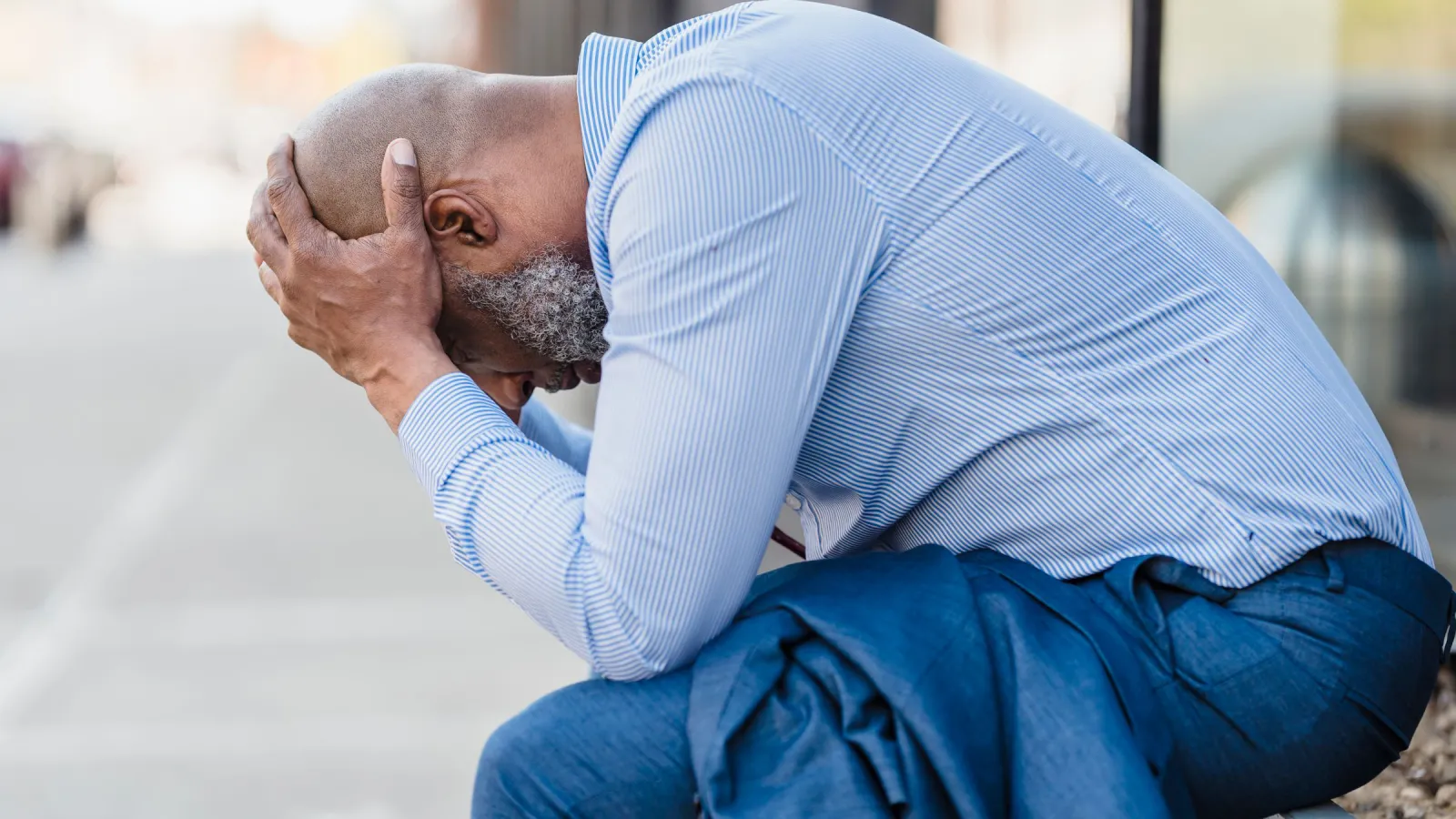
Mental health is sliding. Anxiety, depression, irritability, and mood swings that worsen over time. Often the substance was managing an untreated condition in the first place. When both are present, treating one and ignoring the other rarely holds. That is why our dual diagnosis treatment addresses both at once.
The body or the life is taking damage. Frequent illness, wrecked sleep, accidents, money trouble, legal trouble, or a health scare that changed nothing.
You do not need all four. You do not need certainty. If drug or alcohol use is costing someone their health, relationships, or stability and they cannot stop on their own, that is the sign.
How we match you to partial care, IOP or outpatient
Every plan we write is built for one person. The assessment looks at:
- Substance use history: what, how much, how often, for how long
- Physical health, and whether withdrawal needs medical management before we start
- Mental health, including any diagnosed or suspected co-occurring condition
- Living situation, work, family, and transportation
- What has and has not worked before
From there we set a level of care, a therapy mix, a decision on medication, and a plan for what comes after. Then we revisit it as you go, because the plan that fits in week one usually needs to change by week six.
We are local. Our office is at 1044 NJ-73, Suite A in Berlin, open weekdays, 9 a.m. to 5 p.m. We bill the out-of-network benefits of most major plans, take self-pay, and will verify your benefits before you commit to anything.
Start drug rehab in Berlin, NJ with South Jersey Recovery Program
You do not need a diagnosis before you call, and you do not need to be sure. You need a conversation with someone who does this every day.

Call South Jersey Recovery Program at (856) 788-6914, or contact us online and we will reach out. If someone you love is the one struggling, we can talk through how to approach them.
Recovery is not a decision you make once. It is a level of care you keep showing up for, and South Jersey Recovery Program keeps drug rehab in Berlin, NJ close to home. Call (856) 788-6914 or verify your insurance to start.